Removal Company Clapham
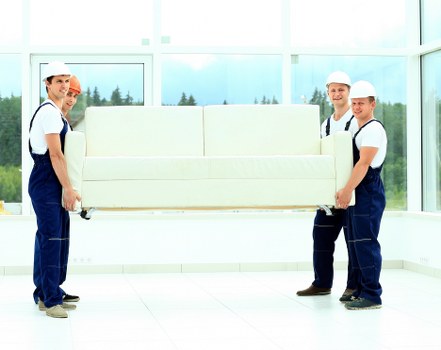
Our removal company in Clapham provides organised home and business moving support with a practical focus on planning, careful handling and clear communication. We help customers move furniture, household contents and office items using a service shaped around access, volume and the level of packing support required. The work is arranged to suit the property, the route and the items being moved, so the move can be handled in a steady and sensible way.
For many moves, the main decision is how much preparation to complete before the team arrives. Some customers want a straightforward loading and transport service, while others need help with packing, dismantling or moving items from upper floors. Our approach is to keep the service flexible without making it vague: we can discuss the main load, the access arrangements and any pieces that need extra care, then build the move around that information.
Whether you are moving from a flat, a house or a small commercial unit, the aim is to make the removal day well-ordered from start to finish. Tell us what needs moving, and we can talk through the most suitable service route. If you already know the size of the job, you can request a quotation once you have reviewed the options below.
Home removals planned around your property
Our home removals service covers the practical work involved in moving the contents of a property safely and efficiently. That includes loaded items from rooms, hallways, lofts and storage spaces, with attention paid to how goods are protected and stacked for transit. It can suit a full household move or a smaller relocation where only selected rooms or bulky pieces need transport. The service is built to handle the actual contents of the home rather than offering a generic van hire approach.
Different homes create different moving patterns. A ground-floor flat with direct access may be relatively straightforward, while a top-floor property, a shared entrance or a narrow staircase may need more detailed preparation. We can support moves where furniture needs to be taken apart and reassembled, and where fragile items require more careful packing. If you want to reduce disruption, it helps to group the rooms and note the heavier pieces before moving day, as that makes the loading sequence easier to plan.
Useful home removal decisions often come down to access, packing and timing. If the move includes appliances, wardrobes, beds or large storage units, those items may need special handling or prior preparation. For smaller loads, a more compact service may be enough; for larger households, a fuller move plan is usually more efficient. We also consider items that need separating from the main load, such as documents, valuables or essentials you want kept close at hand during the move.
Flat removals and access-led moving support
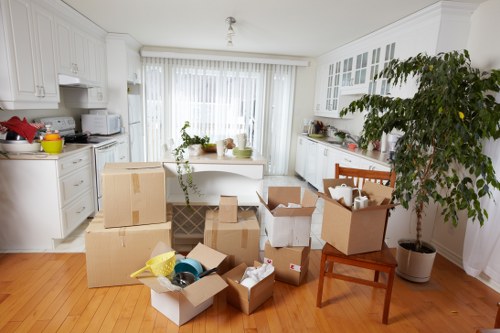
Our flat removals service is designed for properties where stairs, shared entrances, limited parking or tighter internal spaces affect the move. Flats often require more thought than simply arriving with a vehicle, because carrying routes, lift use and loading points all shape the work. We can help with moves from studio flats, larger apartments and converted buildings, with the handling adjusted to the layout of the building and the number of items involved.
In a flat move, timing and sequence matter. Items may need to be moved in stages, especially where there is restricted access or where the property is on an upper floor. Packing can also influence the schedule, because well-packed boxes are easier to stack and move safely. If you are preparing for a flat removal, it is sensible to separate fragile belongings, keep pathways clear and make sure the items most likely to need dismantling are identified early.
When comparing options for a flat move, customers often want a balance between careful handling and a service that stays efficient. We can assist with larger furniture, boxed goods and awkward items that do not travel well by ordinary car transport. For busy moves, it is usually better to organise the details in advance than to leave everything until the day itself. Use the service that matches the property, especially where access is tight or there are multiple flights of stairs.
House removals for local and longer-distance moves
House removals usually involve more volume, more furniture and a greater need for sequencing than a smaller move. Our service covers the lifting, loading and transport of household contents, with the overall plan shaped by the number of rooms, the amount of packing and the route between properties. This can include family homes, terraced houses, semi-detached properties and detached homes where several categories of item need to be moved together.
A well-planned house removal takes account of bulky items, fragile items and the flow of the day. Mattresses, wardrobes, tables and cabinets may need a different handling method from boxed belongings or lightweight household goods. Where customers are moving out of a larger property, it often helps to identify which pieces must be ready first and which can be loaded later. That makes the work easier to organise and helps avoid unnecessary delays during loading.
For customers who want a more structured move, our house removals can be combined with packing support or transport-only assistance. We can talk through what is being moved, what needs special attention and what can be prepared in advance. A clear inventory is not essential, but it is useful when the property contains a mixed load of furniture, personal items and stored possessions. Once the scope is clear, we can help shape the service around it.
Office relocations and commercial moving work

Our office relocation services are intended for businesses that need desks, chairs, files, equipment and other workplace contents moved with minimal confusion. Commercial moves are different from domestic removals because they often involve a mix of furniture, technology, paperwork and operational items that need to be organised by function as well as by size. We can support moves from small offices, shared workspaces and other commercial premises where the contents need careful handling and sensible sequencing.
When a business moves, the practical concerns usually include access, downtime and the order in which items should be loaded or unloaded. Some equipment needs special packing, and some paperwork or files may need to travel separately from heavier furniture. It is also useful to identify whether reception items, meeting-room furniture or storage units are part of the move. If you want the relocation to stay orderly, it helps to label the main work areas before collection begins.
Commercial removals benefit from a service that keeps the move predictable without overcomplicating it. We can move single offices as well as larger suites where the contents are divided across several rooms. If the relocation includes business-critical items, careful handling and sensible placement at the destination are important. That is why the move plan should reflect the layout of the office, not just the number of items on the list.
Packing, unpacking and the handling of delicate items
Packing support can make a removal much easier to manage, especially where the contents include breakables, mixed household goods or items that do not stack neatly. Our packing and unpacking services are intended to help with the preparation and settling-in stages of a move. Depending on the job, we can help with full packing, selected rooms or specific delicate belongings that need more than basic boxing.
Good packing is about more than filling boxes. Items should be grouped sensibly, protected from impact and packed in a way that supports loading as well as transport. Lightweight goods may travel well in standard boxes, while crockery, glassware, ornaments and electronics may need more careful wrapping. For customers who want assistance at the other end as well, unpacking support can help the move feel more controlled once the items arrive.
Before moving day, it is helpful to decide which belongings should be packed first and which should stay accessible until the last stage. That may include toiletries, chargers, documents, daily essentials and items needed immediately after arrival. Careful packing reduces rehandling and helps protect items in transit, which is why it is often worth discussing the packing stage at the same time as the removal itself.
Furniture removals and bulky item transport

Furniture removals are a key part of our service because many moves are shaped around large pieces rather than boxes alone. Sofas, beds, cabinets, wardrobes, tables and other sizeable items often need more planning than ordinary household goods. We can move furniture as part of a wider removal or as a standalone job where the main task is transport of one or more substantial pieces.
Bulky items sometimes need dismantling before they can be carried safely through a property or loaded efficiently into a vehicle. That can be especially important for wardrobes, bed frames and larger shelving units. The condition of the item, the route through the building and the dimensions of doorways or staircases all affect the method. If you are arranging a furniture-only move, it helps to note whether each piece is ready to go or whether it needs to be taken apart first.
Furniture transport also benefits from the right protection and stacking order. Heavy pieces should be secured properly, while more delicate surfaces may need wrapping or padding to avoid scuffs. For customers replacing old items or moving selected pieces into storage, a focused furniture removal can be more efficient than arranging a larger move than is necessary. Keep the destination, access and item list simple and accurate, and the quotation process becomes more straightforward.
Storage moves and short-term holding arrangements
Storage moves are useful when belongings need to be taken out of a property before they go to their next destination. Our storage-related removal service can help transport contents to a storage unit, warehouse or other agreed holding point as part of a staged move. This suits people between homes, businesses reorganising space or households that need to clear rooms before a later delivery or collection.
Items placed into storage should be packed and grouped with future access in mind. Things you may need sooner can be positioned so they are easier to identify later, while seasonal items, archive boxes and spare furniture can be packed more densely. It is also worth considering whether anything is sensitive to damp, handling or pressure, because storage packing is often different from packing for direct delivery. A sensible sequence at this stage saves time when the items are brought out again.
Some storage moves involve a single trip, while others are part of a wider moving plan across several dates. We can support either approach, provided the route and contents are clear. Make a note of what is going into storage, especially if it includes mixed household goods, office materials or larger furniture. That keeps the removal practical and gives you a cleaner handover to the next stage of the move.
About Clapham
Clapham is a district in south London best known for Clapham Common, the large open space that shapes much of its character and gives the area an uncommon sense of breadth within the city. The Common has long been a focal point for recreation, walking and informal gatherings, and its open grassland contrasts with the dense streets of nearby neighbourhoods. Around it, Clapham’s streets show a mix of Georgian and later nineteenth-century development, with terraces and squares that reflect London’s expansion during the period when suburban rail travel and planned housing began to reshape the capital. Clapham Old Town preserves a different atmosphere from the wider district, with a village-like cluster of streets, independent businesses and historic buildings that sit close to the Common. The area is also marked by a strong transport identity, especially around Clapham Junction in the wider locality, one of the busiest rail interchanges in Europe and a major point of connection for south-west London. Local churches, schools and community spaces add layers of everyday life, while the Common itself hosts sports, leisure and seasonal events. The combination of open parkland, residential streets and active public transport gives Clapham a varied urban profile that has changed over time but still retains clear visual and social distinctions between its different parts.
Same-day support, pricing factors and service choices
Some removal jobs need to be arranged quickly, while others are planned in advance to fit around work, tenancy dates or building access. Our same-day removals service is available for situations where timing matters and the contents still need to be moved with care. Even where the move is urgent, it is still sensible to discuss the size of the load, the destination and any access issues so the service can be matched to the job rather than rushed blindly.
Price and scheduling usually depend on the number of items, the distance travelled, access at both ends and whether extra handling is needed. Packing support, dismantling and moving awkward objects can also affect the overall scope. For that reason, a good quotation is usually based on practical details rather than on a single fixed description. If you have boxes, furniture, office items or storage goods, the more clearly you can describe them, the easier it is to match the right removal approach.
If you are unsure which service is most suitable, compare the move by contents, access and timing first. A straightforward transport job may be enough for a small load, while a fuller removal may be better for a family home or a business relocation. Our team can help discuss the most suitable combination of services and you can contact us for a quotation once the basic details are ready.
How to prepare for a removal

Preparation does not need to be complicated, but a few practical decisions can make a move much smoother. It helps to know which rooms are being cleared, whether any furniture needs dismantling and whether items are going to one destination or several. If there are belongings that must travel separately, it is worth setting those aside before collection begins. That way, the removal team can work methodically and avoid unnecessary back-and-forth.
Customers often find it useful to keep essential items, important documents and everyday necessities in a clearly identified bag or box. This is especially relevant for moves that will take more than a few hours, or where the unpacking will be phased over several days. The same idea applies to keys, instructions and access arrangements: putting the key details in one place makes the handover easier and reduces confusion on the day.
For the final step, keep your quotation request focused on the main facts: what is moving, where it is going and whether you need packing, dismantling or storage support. That is usually enough to begin. If you are ready to plan the move, request a quotation and we can discuss the most suitable removal service for your Clapham move.
Why customers choose a structured removal service
A structured removal service is useful because it turns a long list of things to do into a clear moving process. Instead of treating every move as the same, we look at the property type, the load and the handling required. That means the work can be arranged around the actual job, whether it is a full home move, a flat removal, an office relocation or a furniture-only transport request. The result is a service that feels organised rather than improvised.
Good removals are usually the result of sensible choices made early. Packing the right things first, identifying large furniture, setting aside delicate items and making sure access is understood all save time later. If the move involves different categories of item, those categories can be separated so they are loaded in a practical order. A little early planning often makes the main moving day calmer and easier to manage.
If you would like to talk through the job, we can help you choose the most suitable combination of services and the right level of support. There is no need to overcomplicate the enquiry; the basics are enough to start. When you are ready, ask for a quotation and we will take the next step with you.